
Ultimate Packing List for Kilimanjaro Climbers
2026-01-20
Ultimate Packing List for Kilimanjaro Climbers
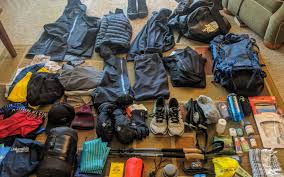
Climbing Mount Kilimanjaro is an unforgettable adventure, but packing the right gear is essential for safety, comfort, and success. The mountain takes trekkers through five distinct ecological zones, from hot rainforests to freezing summit conditions. Preparing carefully ensures you can focus on the climb rather than dealing with discomfort or missing equipment.
Clothing Layers – Be Ready for All Conditions
Kilimanjaro’s climate changes dramatically from base to summit, so layering is key:
-
Base Layer: Moisture-wicking thermal tops and leggings to keep sweat away from the skin
-
Mid Layer: Fleece or down jackets for warmth in cold zones
-
Outer Layer: Waterproof and windproof jacket and pants to protect against rain and wind
-
Trekking Shirts: Quick-dry, breathable shirts for daytime hikes
-
Hiking Pants & Shorts: Convertible pants that can adjust to warm and cold conditions
-
Gloves, Hat, and Buff: Essential for warmth at higher altitudes
-
Socks: Multiple pairs of moisture-wicking and warm socks to prevent blisters
-
Gaiters: Optional but useful to protect from mud and scree
Boots & Gear – Footwear and Essentials
Your feet and comfort are crucial on Kilimanjaro:
-
Hiking Boots: Sturdy, waterproof, well-broken-in boots for rough terrain
-
Camp Shoes / Sandals: For relaxing after long days of trekking
-
Trekking Poles: Help with balance and reduce knee strain
-
Headlamp or Flashlight: Summit climbs often start in the dark
-
Sunglasses & Sunscreen: UV protection is vital at high altitudes
-
Water Bottles / Hydration System: Staying hydrated is key for altitude adjustment
Sleeping Bags & Camping Gear
Most Kilimanjaro routes involve camping at high altitudes, except Marangu (hut accommodations). Essential sleeping gear includes:
-
Sleeping Bag: Rated for at least -10°C to handle summit nights
-
Sleeping Pad: Insulates against cold ground and adds comfort
-
Earplugs & Eye Mask: Optional, for better sleep in camps
If you are climbing Marangu, huts provide mattresses, but warm sleeping bags are still recommended.
Daypack Essentials – What to Carry Each Day
During treks, your daypack should hold all items needed for comfort and survival:
-
Snacks and energy bars
-
Water bottle or hydration bladder
-
Rain jacket or poncho
-
Camera or phone for photos
-
Extra gloves, hat, or scarf
-
Personal first-aid kit and medications
-
Sunglasses and sunscreen
Bonus Tips
-
Pack light but smart: Weight affects endurance and speed
-
Use compression bags: Save space in your backpack
-
Label your gear: Helps porters organize equipment efficiently
Final Thought
With the right clothing, boots, camping gear, and daypack essentials, your Kilimanjaro trek becomes safer, more comfortable, and more enjoyable. Proper preparation increases your chances of reaching Uhuru Peak and fully experiencing the adventure.