
Great Migration in Kenya: When & Where to See It
2026-10-06
The Great Migration in Kenya: When and Where to See It
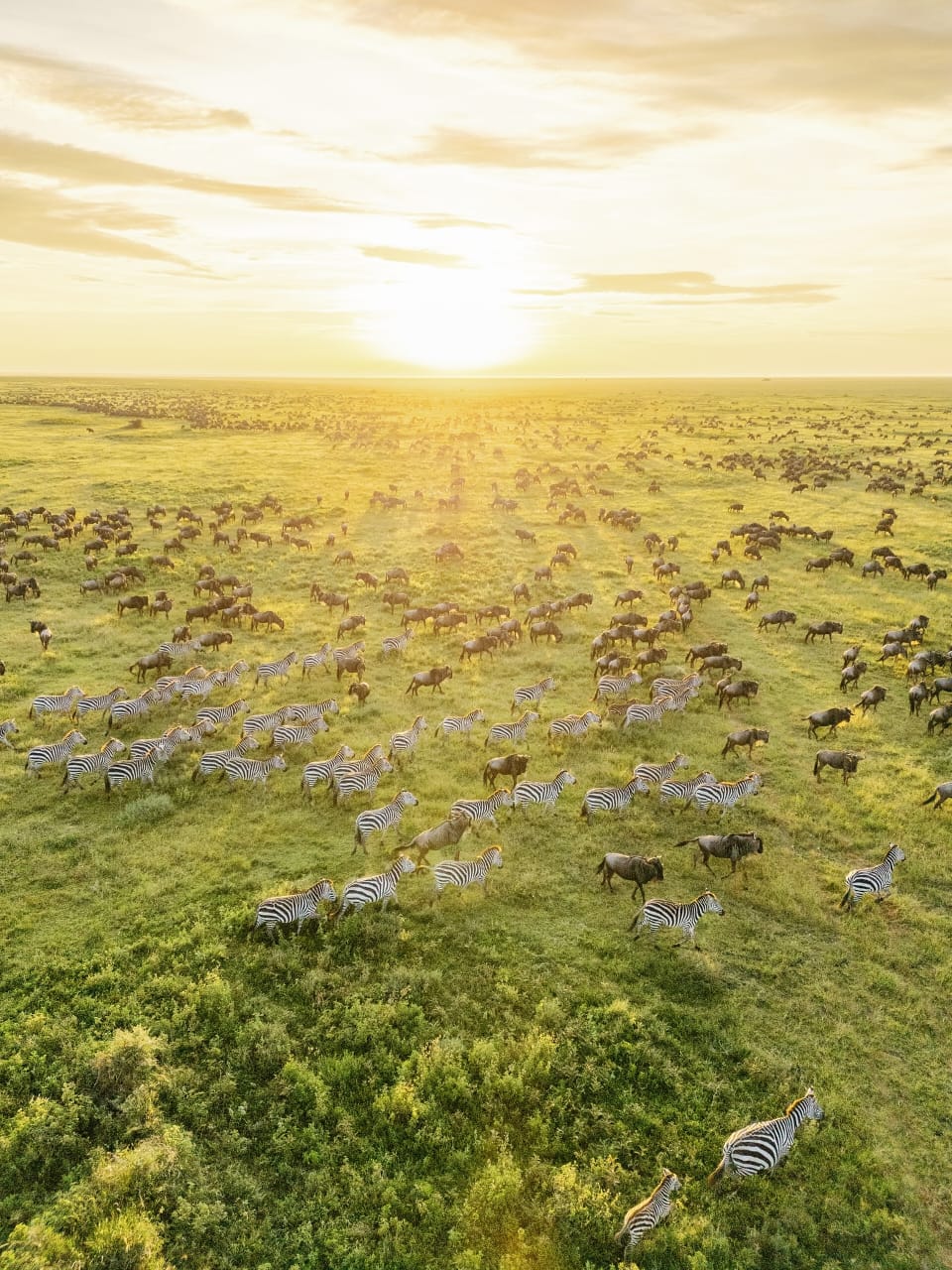
The Great Migration in Kenya is one of Africa’s most spectacular wildlife experiences. Every year, huge herds of wildebeest, accompanied by zebras and gazelles, move through the Serengeti-Mara ecosystem in search of fresh grazing and water. When the herds reach Kenya, the Masai Mara National Reserve becomes one of the best places to witness this incredible natural event.
If you are planning a Kenya safari, understanding when and where to see the migration can help you choose the right travel dates and safari experience.
What Is the Great Migration?
The Great Migration is the seasonal movement of large herds of wildebeest, zebras, and other grazing animals between Tanzania and Kenya. Their movements are strongly influenced by rainfall and the availability of fresh grass.
The migration is not a single event that happens on one specific date. It is a continuous natural cycle, with the animals moving between different areas throughout the year.
When the herds move north from Tanzania toward Kenya, they eventually enter the Masai Mara ecosystem, creating some of the most dramatic wildlife viewing opportunities in East Africa.
When Is the Great Migration in Kenya?
The main Great Migration in Kenya generally occurs between July and October, although the exact timing varies from year to year depending on rainfall and grazing conditions. Kenya Wildlife Service sources also identify July to October as the key migration period in the Masai Mara.
July – Arrival in the Masai Mara
Around July, some of the first large herds begin entering Kenya from the Serengeti. This can be an exciting time to visit because the animals are moving into the Mara ecosystem while predators are already active.
August – Mara River Crossings
August is one of the most popular months for travelers hoping to witness the famous Mara River crossings.
Large groups of wildebeest may gather along the river before crossing. The crossings can be unpredictable, however, so seeing one is never guaranteed on a particular day.
The river also contains large crocodiles, while lions, leopards, cheetahs and hyenas take advantage of the abundance of prey.
September – Excellent Wildlife Viewing
By September, many herds may still be spread across the Masai Mara. This period can provide excellent game viewing as predators continue following the migrating animals.
For travelers looking for a combination of migration and general wildlife viewing, September can be an excellent time for a Masai Mara safari.
October – Beginning of the Return
Around October, depending on rainfall and grazing conditions, many wildebeest begin moving south toward the Serengeti. However, wildlife movements are unpredictable, and some herds may remain in the Mara for longer.
Where Can You See the Great Migration in Kenya?
The main destination for experiencing the migration in Kenya is the Masai Mara National Reserve and the surrounding Mara ecosystem.
Different areas of the Mara can offer different wildlife experiences, so having a knowledgeable safari guide can make a significant difference.
Masai Mara National Reserve
The Masai Mara is Kenya's most famous safari destination and is renowned for its abundant wildlife, big cats and seasonal wildebeest migration.
During migration season, game drives can provide opportunities to see huge herds of wildebeest and zebras, together with predators such as lions, cheetahs, leopards and hyenas.
Mara River
The Mara River is famous for the dramatic wildebeest crossings. When conditions are right, large herds gather at the riverbanks before making their way across.
However, river crossings are completely natural and unpredictable. The animals may wait for hours or days before crossing, and some crossings may happen in locations that are difficult for visitors to access.
For this reason, a Great Migration safari in Kenya requires patience and flexibility.
Private Conservancies
The areas surrounding the main reserve include private conservancies where travelers can enjoy a quieter safari experience and, depending on the area and season, excellent wildlife viewing.
These areas can be particularly appealing to travelers looking for a more exclusive or luxury Kenya safari.
What Animals Can You See During the Migration?
The wildebeest are the stars of the Great Migration, but they are not alone.
During a Great Migration safari, you may see:
- Wildebeest
- Zebras
- Gazelles
- Lions
- Leopards
- Cheetahs
- Elephants
- Buffaloes
- Giraffes
- Hyenas
- Hippos
- Crocodiles
The arrival of large herds also attracts numerous predators, creating excellent opportunities for wildlife photography and game viewing.
Is the Mara River Crossing Guaranteed?
No. This is one of the most important things to understand when planning a Great Migration in Kenya safari.
The river crossings depend on animal behavior, rainfall, water levels, grazing conditions and other natural factors. Even during peak migration months, the herds may cross when you are not present.
A good safari should therefore focus on the overall wildlife experience rather than promising a specific crossing.
How Many Days Do You Need?
For travelers specifically interested in the migration, we recommend spending at least 3 to 5 days in the Masai Mara.
A longer stay gives you more opportunities to explore different areas and increases your chances of witnessing interesting wildlife activity.
You can also combine Masai Mara with other destinations to create a complete Kenya safari package, such as Lake Nakuru, Amboseli or Samburu.
Kenya and Tanzania Migration Safari
The Great Migration does not belong to Kenya alone. It is a continuous cycle across the wider Serengeti-Mara ecosystem, connecting Tanzania's Serengeti with Kenya's Masai Mara.
For travelers with more time, a Kenya and Tanzania safari can be an incredible way to experience different stages of the migration while also visiting destinations such as Serengeti National Park and Ngorongoro Crater.
This combination is ideal for travelers who want to experience the wildlife of both countries in one African adventure.
Why Choose Nelwen Tours & Safaris?
At Nelwen Tours & Safaris, we help travelers plan memorable African safari experiences across Kenya and Tanzania.
Whether you are looking for a Great Migration Safari Kenya, a private Masai Mara safari, a luxury Kenya safari, a budget safari, or a Kenya and Tanzania safari combination, we can customize your trip according to your travel dates, interests and budget.
As a Tanzania-based tour operator, we also specialize in Tanzania's famous safari destinations, including Serengeti, Ngorongoro Crater, Tarangire and Lake Manyara.
If you are searching for the Best Safari Company in Tanzania, Best Safari Company in Kenya, Best Tour Company in Tanzania, or Best African Safari Company, our team can help you plan an unforgettable East African safari.
Plan Your Great Migration Safari
The Great Migration in Kenya is a powerful reminder of how wildlife moves naturally across East Africa. From huge wildebeest herds crossing the plains to dramatic encounters with predators, every safari can bring something different.
The best time to visit the Masai Mara for migration is generally July to October, but the exact movements depend on nature and cannot be predicted precisely.
Ready to experience the Great Migration?
Plan your Kenya safari with Nelwen Tours & Safaris and discover the incredible wildlife of the Masai Mara.